Key contents
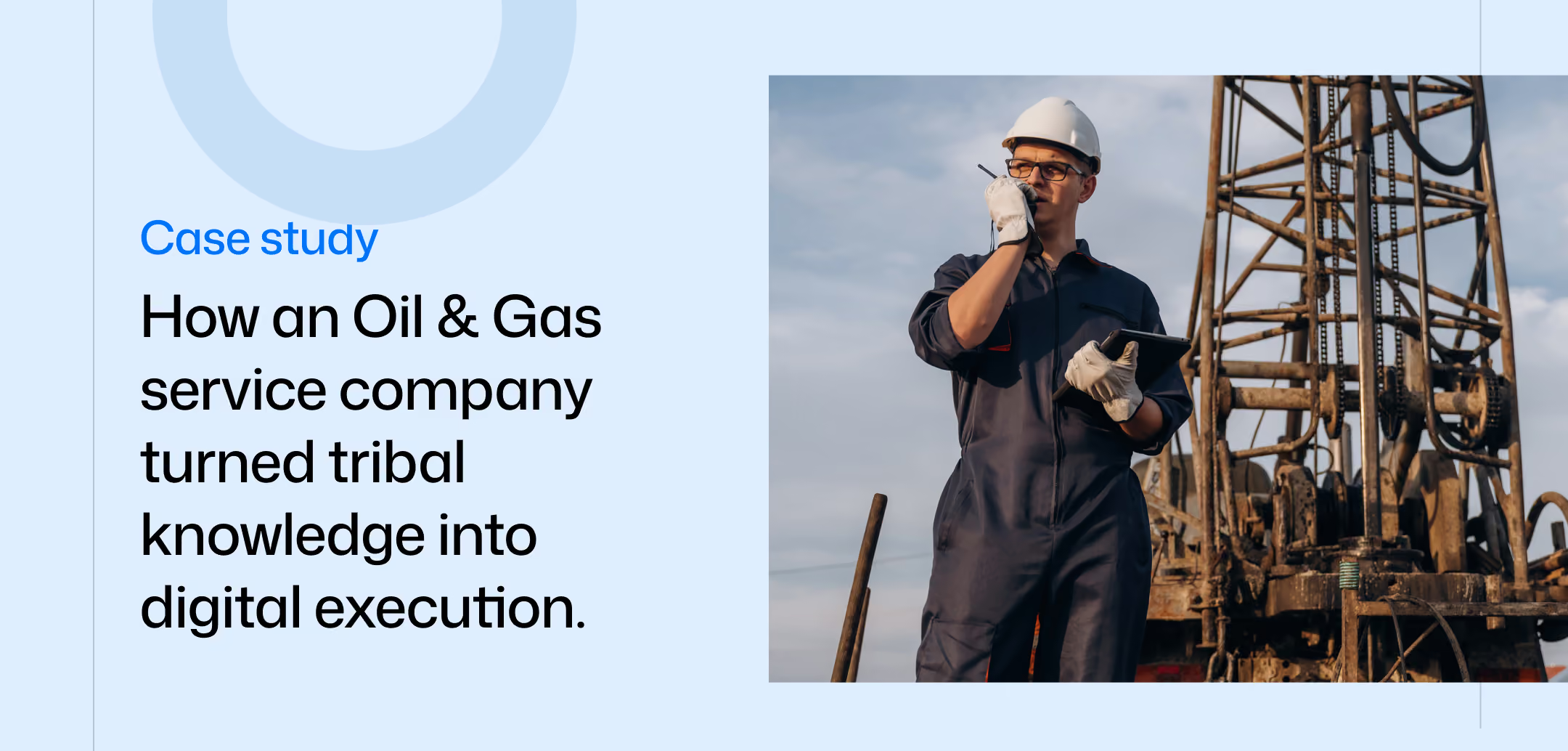
Case study: How an Oil & Gas service company turned tribal knowledge into digital execution
The workforce crisis no one can ignore.
In Oil & Gas, experience used to be the safety net.
Veteran technicians carried decades of know-how in their heads — which valve squeaks before it fails, which workaround keeps a rig running in a storm, which inspection step regulators always flag.
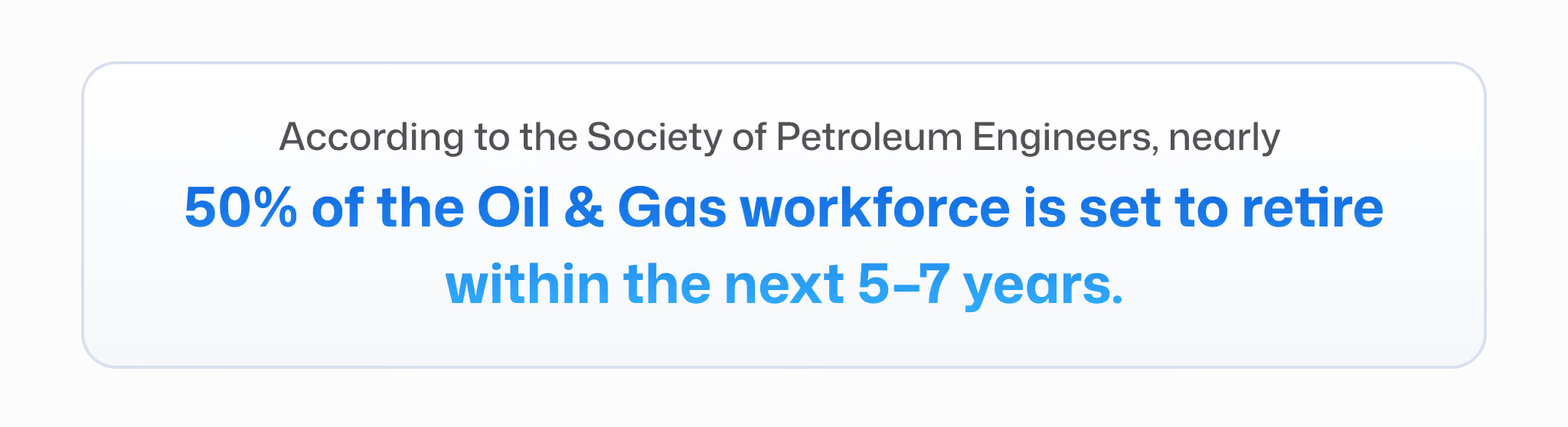
But that expertise is walking out the door.
One midstream service company faced this challenge head-on. With turnover accelerating, onboarding dragging, and execution slipping, they partnered with Atheer to make sure expertise stayed in the process — not just in people’s heads.
The problem: knowledge loss draining performance.
Before Atheer, the service company struggled with:
- Undocumented processes. Veteran crews knew the steps but never wrote them down.
- Inconsistent execution. Newer hires often skipped tasks or improvised fixes.
- Long ramp times. Onboarding a new technician took 30+ days of shadowing and trial-and-error.
- Increased rework. Jobs had to be redone when the “tribal way” didn’t meet safety or compliance standards.
The risk wasn’t just operational. Every missed step created exposure in compliance, safety, and customer contracts — and leadership knew they couldn’t scale with guesswork.
The solution: Atheer knowledge capture and execution guidance.
Atheer was deployed across the company’s field teams to turn tacit knowledge into digital, enforceable execution.
Here’s how it worked:
- Expert capture. Veteran technicians recorded their workflows directly into Atheer: step-by-step guides, annotated photos, and video walkthroughs.
- Embedded SOPs. These guides became interactive task flows that younger technicians could follow in real time — from their mobile devices, without an app download.
- Proof of execution. Every step required timestamped check-off, photo or video validation, and digital sign-off — creating a built-in audit trail.
Supervisor visibility. Managers could monitor task completion in real time, intervene when steps were skipped, and measure compliance across crews.
The results: from tribal chaos to structured clarity.
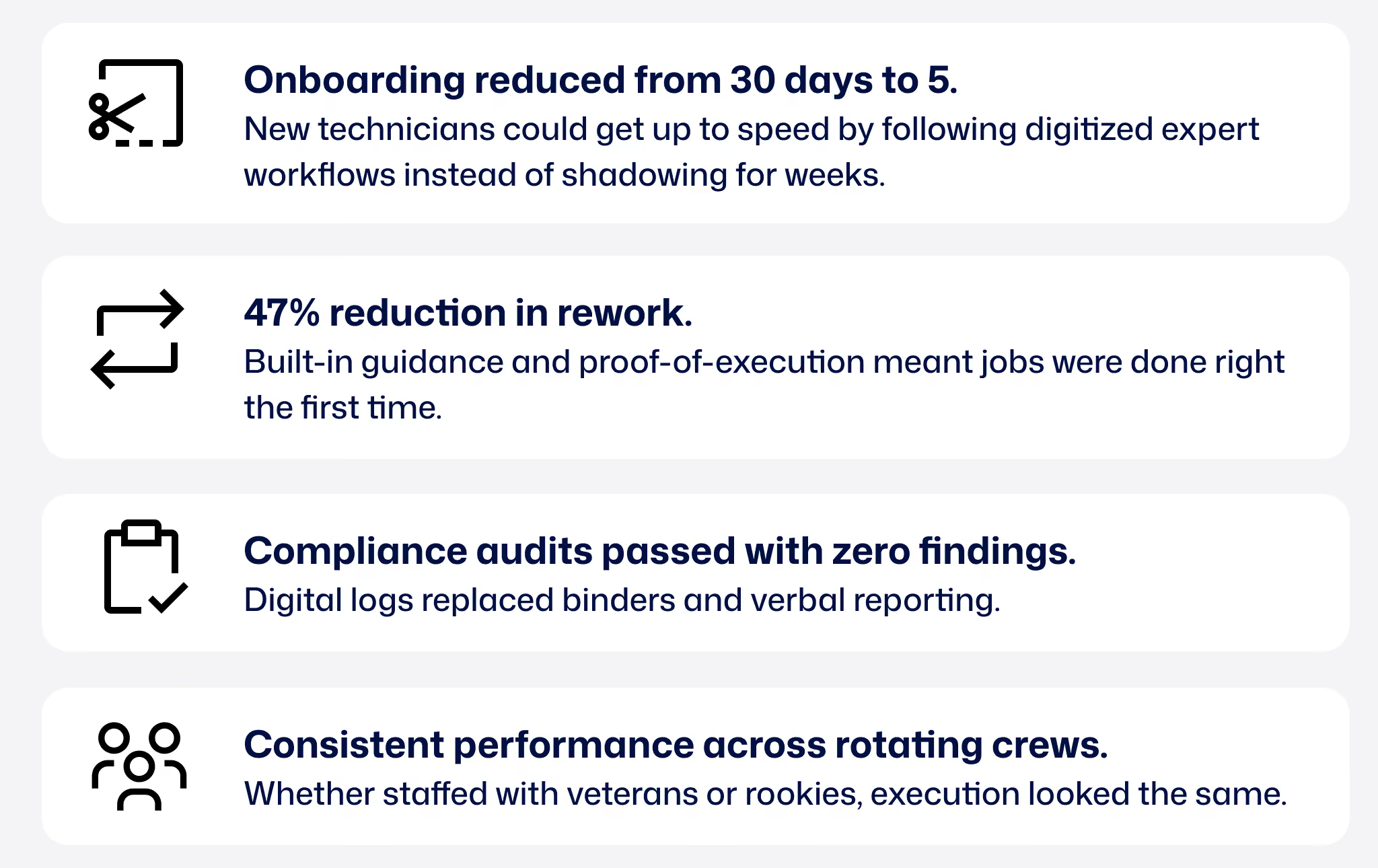
Within six months, the company achieved measurable improvements:

.avif)